Flat, uninspiring walls often leave a room feeling incomplete. Changing the color helps, but adding physical dimension completely transforms the space. Wall texture paint breathes life into your interiors, turning blank canvases into stunning focal points.
Designers and homeowners now prefer textured walls over standard flat paint. This shift makes sense. Texture adds depth, hides architectural flaws, and plays beautifully with natural light. Whether you want a subtle, sophisticated finish or a bold, rustic statement, texture paint delivers.
In this guide, you will learn everything about wall texture paint. We will explore top modern wall texture designs, break down application techniques, and weigh the costs to help you plan your next room makeover.
What is Wall Texture Paint?
Wall texture paint is a specialized coating designed to create a three-dimensional finish on your walls. Unlike standard paint, which dries flat, textured wall paint contains additives like silica sand, gypsum, or crushed stone. These materials give the paint a thicker consistency, allowing it to hold peaks, grooves, and patterns.
The primary purpose of wall texture paint is both aesthetic and functional. Visually, it adds character and depth to any room. Functionally, it excels at hiding imperfections. If your walls have minor dents, uneven drywall seams, or old patch jobs, decorative wall textures easily conceal them.
Types of Paint Texture
Choosing the right paint texture sets the foundation for your room’s overall vibe. Here are the most popular types of textured wall finishes you can use.
Smooth Texture
Smooth texture paint offers a subtle, refined look. Instead of heavy bumps, it creates a soft, suede-like finish. This option works perfectly for minimalist spaces where you want a sense of warmth without overwhelming the senses.
Sand Texture
Sand texture paint contains fine grains of sand, giving walls a slightly gritty, beach-like feel. It remains a popular choice for ceilings and accent walls. The sand additive catches the light beautifully, especially when paired with warm paint finishes like matte or satin.
Knockdown Texture
Knockdown texture provides a mottled, stucco-like appearance. To create this look, you spray the texture onto the wall and then “knock it down” with a trowel before it dries. This flattens the peaks, creating a smooth yet heavily patterned surface. It is highly durable and excellent for busy households.
Orange Peel Texture
As the name suggests, this finish resembles the dimpled skin of an orange. It features a gentle, bumpy surface that is less aggressive than a knockdown texture. Orange peel remains one of the most common wall coating types because it is easy to apply and cleans up nicely.
Metallic Texture
Metallic texture paint incorporates metallic flakes or pigments to create a shimmering, reflective surface. This luxurious finish looks incredible on feature walls. It works best in dining rooms or bedrooms where you want to add a touch of glamour and sophistication.
Best Wall Texture Paint Ideas
Applying texture to every wall in your house might feel overwhelming. Instead, focus on specific areas to maximize impact. Here are some top wall texture paint ideas for different rooms.
Living Room Texture Ideas
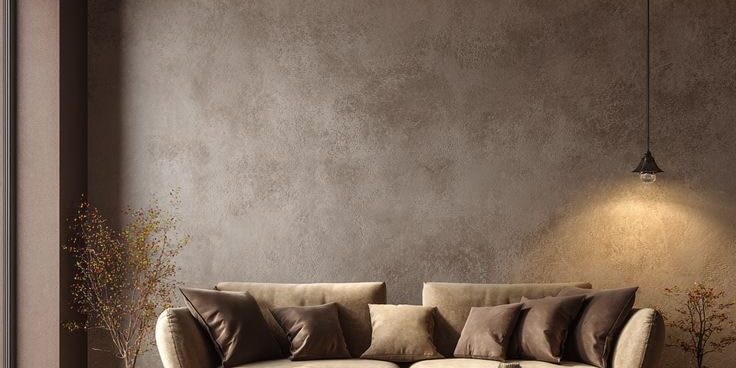
The living room serves as your home’s main gathering space. Create a focal point by applying a bold knockdown or metallic texture to the wall behind your television or fireplace. For the remaining walls, use a subtle sand texture in a complementary color.
Bedroom Feature Wall Textures
Bedrooms demand a calming, relaxing atmosphere. Smooth, suede-like textured wall finishes work beautifully behind the headboard. Choose deep, moody colors like navy blue or forest green in a matte finish to enhance the cozy feeling of the space.
Office Wall Textures
A home office needs to inspire focus and creativity. Orange peel textures work great here, offering just enough visual interest without becoming distracting. Pair it with an eggshell or satin finish to make wiping away accidental scuffs easy.
Modern Paint Texture Designs
Interior wall design ideas often draw inspiration from broader architectural trends. Here is how modern wall texture designs fit into popular styles.
Minimalist and Luxury Finishes
Minimalism does not mean boring. Smooth, lime-wash textures create a cloudy, organic look that screams quiet luxury. These finishes use subtle color variations rather than heavy physical bumps. They pair perfectly with sleek furniture and metallic accents.
Industrial and Rustic Looks
Industrial designs thrive on raw, unfinished elements. Heavy stucco or concrete-effect texture paints bring this aesthetic to life. For a rustic farmhouse vibe, try a skip-trowel technique. This method leaves intentional gaps in the texture, mimicking the look of aged, weathered plaster.
How to Apply Wall Texture Paint
Applying texture paint requires a bit more prep than standard painting, but the results are worth the effort. Here is a brief overview of the process.
Tools Required
To get started, you will need a few specific tools. Gather a heavy-duty paint roller, a texture sprayer (for orange peel or knockdown), a trowel, a putty knife, painter’s tape, and drop cloths.
Step-by-Step Process
- Prepare the Room: Remove furniture and cover the floors with drop cloths. Tape off the baseboards and ceiling edges.
- Clean and Prime: Wash the walls to remove dust and grease. Apply a high-quality primer so the texture paint adheres properly.
- Mix the Paint: If you are using a powder additive, mix it into your paint according to the manufacturer’s instructions.
- Apply the Texture: Roll or spray the paint onto the wall. Work in small sections so the paint does not dry before you finish styling it.
- Style the Finish: Use your trowel, sponge, or brush to create your desired pattern. Let it dry completely.
DIY vs Professional Application
Simple techniques like sand or orange peel textures make excellent DIY projects. You can easily achieve these looks with a textured roller. However, intricate modern paint texture designs—like metallic finishes or heavy knockdown patterns—often require a professional touch. Hiring a pro ensures an even, consistent pattern across the entire wall.
Pros and Cons of Texture Paint
Before committing to textured wall paint, it helps to understand both sides of the equation.
Pros
- Hides Imperfections: Texture easily covers dents, dings, and uneven drywall.
- Durability: Textured finishes generally resist scuffs and wear better than flat paint.
- Aesthetic Appeal: It elevates wall decor trends, adding depth and unique character to any room.
Cons
- Maintenance: Deep textures catch dust and require occasional vacuuming or scrubbing.
- Removal: Removing texture to return to a flat wall requires heavy sanding and skim-coating, which is messy and time-consuming.
- Cost: Texture paint and specialized tools cost more than standard interior paint.
Tips for Choosing the Right Texture
Selecting the perfect texture involves more than just picking a pattern you like. Consider these practical elements before making a choice.
First, evaluate the room size. Heavy, dark textures make small rooms feel cramped. In tight spaces, stick to light colors and subtle textures like smooth or fine sand. Save the dramatic, heavy textures for large living rooms or open-concept spaces.
Next, analyze your lighting. Natural light highlights the peaks and valleys of textured walls. If your room gets plenty of sunlight, a deeply textured feature wall will cast beautiful, subtle shadows throughout the day. In darker rooms, consider using gloss or metallic paint finishes to bounce light around the space.
Conclusion
Wall texture paint offers an incredible way to elevate your home’s interior. By moving away from flat, boring walls, you introduce character, depth, and style into your everyday environment. Whether you want a calming, smooth finish in the bedroom or an industrial concrete look in the living room, there is a texture perfectly suited for your vision. Gather your inspiration, choose your finish, and upgrade your walls to reflect your unique personal style.
FAQs
What is wall texture paint?
Wall texture paint is a heavy-bodied paint, often containing additives like sand or gypsum, used to create three-dimensional patterns and physical depth on flat walls.
Which paint texture is best for walls?
Orange peel and knockdown textures are universally popular because they hide imperfections well and suit almost any interior design style. Smooth, suede-like textures are best for luxury or minimalist aesthetics.
Is texture paint durable?
Yes. Textured wall paint is generally thicker and more durable than standard flat paint, making it highly resistant to everyday scuffs and scratches.
Can I apply wall texture paint myself?
Yes, many texture paints are DIY-friendly. Sand and orange peel textures are easy to apply with specialized rollers. However, complex designs like knockdown or metallic finishes may require professional expertise.