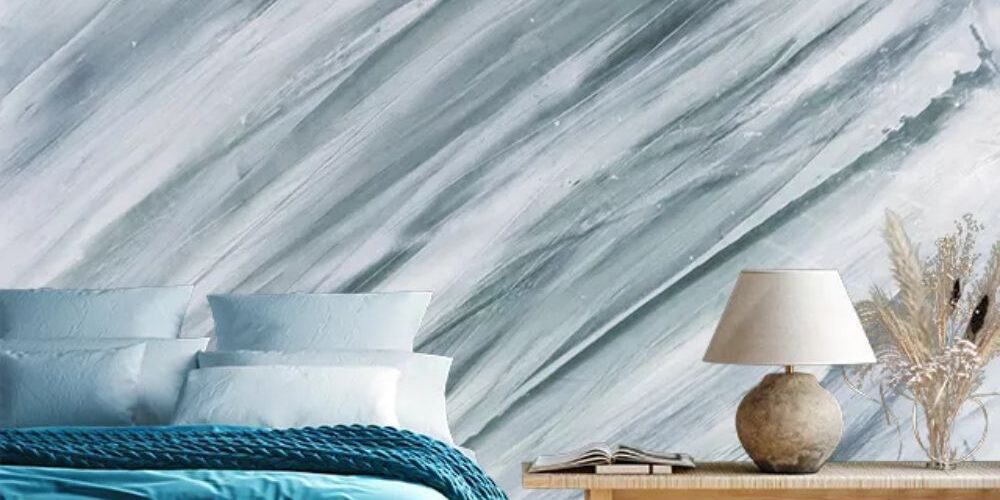
Marble has symbolized wealth, elegance, and craftsmanship for centuries. Today, you don’t need to quarry stone or spend a fortune to bring that look into your home or project. Marble texture paint delivers the visual richness of natural stone at a fraction of the cost, and it’s become one of the most sought-after decorative wall texture solutions in modern interior design. At Fine Textures Pakistan, homeowners, designers, and contractors can explore premium decorative finishes that recreate the timeless beauty of natural marble while offering greater flexibility and affordability.
Whether you’re a homeowner refreshing a living room, an interior designer specifying finishes for a high-end client, or a contractor expanding your service offering, this guide covers everything you need to know.
What Is Marble Texture Paint?
Marble texture paint is a specialty coating formulated to replicate the appearance and surface quality of natural marble on walls, ceilings, and other surfaces. It typically combines fine aggregates, mineral pigments, and binding resins to create depth, sheen, and veining effects that mimic real stone.
Unlike standard wall paint, marble effect paint builds up layers of visual complexity. The result can range from a subtle polished stone finish to a dramatic, highly veined statement wall — all without the structural requirements or expense of actual marble installation.
Types of Marble Texture Finishes
Not all marble finish paint is the same. Choosing the right type depends on your surface, skill level, and aesthetic goal.
Venetian Plaster
A traditional Italian technique using slaked lime putty, applied in thin layers and burnished to a high gloss. It produces a deep, translucent stone effect that genuinely resembles polished marble. Skilled application is essential.
Acrylic Marble Texture Paint
Water-based formulations that are easier to apply, dry faster, and emit lower VOCs. These are popular for DIY projects and residential interiors where ease of use matters.
Mineral-Based Marble Coatings
Made from natural minerals and silicate binders, these offer exceptional durability and breathability. They’re often specified for commercial spaces and heritage restoration projects.
Metallic Marble Effect Paint
Combines marble texturing with metallic pigments — gold, silver, copper — for a contemporary luxury aesthetic. Widely used in hospitality and high-end retail interiors.
Ready-Mix Faux Marble Paint Systems
Packaged kits that include base coat, veining colors, and glaze. They lower the skill barrier and are a reliable starting point for decorative painters new to faux marble techniques.
Benefits of Marble Texture Paint
- Lightweight: No structural reinforcement needed, unlike stone slabs.
- Versatile: Can be applied to drywall, concrete, wood, and existing painted surfaces.
- Customizable: Colors, vein patterns, and sheen levels are virtually unlimited.
- Repairable: Damaged sections can be touched up without replacing an entire wall.
- Eco-friendly options available: Many modern formulations are low-VOC or zero-VOC.
Where Marble Texture Paint Works Best
Interior marble texture design thrives in spaces where visual impact matters:
- Living rooms and feature walls — creates a focal point without overwhelming the room
- Entryways and foyers — sets a tone of sophistication from the first impression
- Bathrooms — moisture-resistant formulations work well here; always confirm the product’s suitability
- Kitchens — backsplash areas and accent walls benefit from the stone aesthetic
- Commercial spaces — hotel lobbies, restaurant interiors, retail stores, and office reception areas
- Fireplace surrounds — a classic application that highlights the heat-safe variants
Marble Texture Paint vs. Real Marble
For most residential and commercial projects, faux marble paint offers a more practical and budget-conscious path to a luxury finish — without meaningful sacrifice in visual quality when applied well.
Step-by-Step Application Process
Step 1: Surface Preparation
Clean the wall thoroughly, removing dust, grease, and loose paint. Fill cracks and sand smooth. A well-prepared surface is the single biggest factor in a professional result.
Step 2: Apply a Base Coat
Use a tinted primer or base coat in a color that complements your final marble shade — typically white, gray, or beige. Allow to dry completely.
Step 3: Apply the First Texture Layer
Using a brush, trowel, or sponge (depending on product instructions), apply the marble texture paint in irregular, overlapping strokes. Work in sections to maintain a wet edge.
Step 4: Create Veining
While the texture layer is still slightly tacky, use a fine artist’s brush or feather to drag thin lines of contrasting color across the surface. Vary pressure and angle for a natural look. Real marble veins follow a general diagonal direction.
Step 5: Blend and Soften
Use a dry brush or soft cloth to lightly blend the veins into the base. This removes the artificial look and creates depth.
Step 6: Apply Additional Layers (if needed)
Complex marble effects typically require 2–3 texture layers, each adding depth and variation.
Step 7: Seal with a Topcoat
Apply a clear protective sealer — matte, satin, or gloss depending on the desired finish. This protects the surface from moisture, abrasion, and UV damage.
Maintenance and Cleaning Tips
- Dust regularly with a soft, dry cloth to prevent buildup.
- For marks and smudges, use a damp cloth with mild soap — avoid abrasive cleaners.
- Re-seal high-traffic walls every 2–4 years to maintain protection.
- Repair chips or scratches promptly to prevent moisture penetration.
- In bathrooms, ensure adequate ventilation to prevent long-term moisture damage.
Common Mistakes to Avoid
- Skipping surface prep — the most common cause of peeling and uneven texture
- Rushing drying times — layering too quickly traps moisture and weakens adhesion
- Over-veining — natural marble has restraint; less is usually more
- Using mismatched topcoats — always confirm gloss levels are consistent across your system
- Ignoring product specifications — not all marble texture paints are suitable for wet areas
Latest Marble Texture Design Trends
Interior designers are currently favoring these directions:
- Nero Marquina-inspired black marble with white veining for dramatic, moody interiors
- Soft Calacatta effects in pale cream and gold — popular in minimalist and Scandinavian-influenced spaces
- Curved and arched wall applications that emphasize organic form alongside the stone effect
- Mixed finishes — pairing matte marble texture with glossy sections to create tonal contrast
- Earth-toned marble palettes in terracotta, sage, and warm beige, moving away from stark white
Professional Recommendations
Experienced decorative painters consistently emphasize two things: patience and reference. Study photographs of the actual marble variety you’re replicating before you start. Understanding how veins branch and the color variation within each stone type dramatically improves the outcome.
Interior designers advise clients to test samples on the wall at least 48 hours before committing. Lighting — both natural and artificial — significantly changes how marble texture wall paint reads in a finished space. What looks right under a showroom’s fluorescent light may feel completely different under warm residential lighting.
For large commercial projects, specifying a professional-grade mineral coating over an acrylic system is worth the additional cost. The durability, appearance depth, and resistance to yellowing over time justify the premium in high-visibility applications.
Frequently Asked Questions
1. What is marble texture paint made of?
It typically contains fine mineral aggregates, acrylic or mineral binders, pigments, and additives that control texture and sheen. Premium products often include mica or other reflective particles to enhance depth.
2. Can marble texture paint be used in bathrooms?
Yes, but only if the product is rated for wet areas. Always apply a waterproof sealer over the finished surface in bathrooms.
3. Is faux marble paint durable?
With proper surface preparation and a quality topcoat sealer, marble effect paint can last 10–15 years on interior walls.
4. Can I apply marble texture paint myself?
Basic acrylic systems and ready-mix kits are DIY-friendly. Venetian plaster and mineral coatings generally require professional application to achieve a high-quality result.
5. How many coats does marble texture paint need?
Most systems require 2–3 coats for full effect, plus a final sealer. Always follow the specific product’s instructions.
6. What surfaces can marble texture paint be applied to?
It works on drywall, plaster, concrete, brick, and previously painted surfaces — provided they are clean, dry, and structurally sound.
7. How do I clean marble texture paint walls?
Use a soft damp cloth with mild soap. Avoid abrasive pads or harsh chemical cleaners, which can damage the topcoat.
8. Is marble texture paint the same as Venetian plaster?
No. Venetian plaster is one specific technique within the broader category of marble effect finishes. It uses lime-based plaster applied in thin, burnished layers.
9. How does marble texture paint compare in cost to wallpaper?
High-end marble-effect wallpaper costs roughly $50–$150 per roll, covering 28–57 square feet. Custom-applied marble texture paint is generally more expensive but produces a significantly more realistic, three-dimensional result.
10. Can marble texture paint be applied over tiles?
Yes, in some cases — particularly with mineral-based coatings designed for adhesion to non-porous surfaces. Surface preparation and correct primer selection are critical.
11. What sheen level should I choose for marble texture paint?
Higher sheen (satin to gloss) reads more like polished marble and reflects more light. Matte finishes mimic honed or brushed marble. Your choice should align with the look you’re targeting and the lighting in the space.
12. Can marble finish paint be used on exterior walls?
Some specialized formulations are exterior-rated. Standard interior marble texture paints should not be used outside as they’re not formulated for UV exposure and weathering.
Conclusion
Marble texture paint is one of the most effective tools available for delivering luxury aesthetics without the cost, weight, or installation complexity of natural stone. When you choose the right product, prepare your surface properly, and take time with the application technique, the results can be genuinely difficult to distinguish from real marble.
For homeowners: Start with a single feature wall or fireplace surround to test the finish in your space before committing to a full room.
For interior designers and architects: Specify mineral-based or Venetian plaster systems for premium projects, and always request large sample boards under your client’s actual lighting conditions.
For contractors and painters: Invest time in learning proper veining techniques. That skill alone significantly expands the value you can offer clients in the decorative finishes market.
For property developers: Marble texture wall paint applied to lobbies, corridors, and model units consistently elevates the perceived quality of a development — often at a fraction of the cost of competing finishes.
The gap between a beautifully finished marble-effect wall and an obviously artificial one comes down almost entirely to preparation, patience, and practice. Get those three things right, and you’ll have a finish that genuinely impresses.