Blank walls often leave a room feeling incomplete. If you want to add depth and character to your space, standard flat paint might not cut it. You need a design strategy that brings dimension and personality into your home or office.
This guide explores the rising trend of wall texture design. We will cover popular decorative wall finishes, creative application ideas, and the practical steps for transforming your interiors. By the end, you will understand how professional wall texture design services can elevate your next renovation project.
What is Wall Texture Design?
Wall texture design involves applying specialized materials to create physical and visual depth on a wall surface. Instead of a flat, uniform color, textured walls play with light and shadow to create a distinct atmosphere.
Moving away from basic flat walls offers several strong benefits. Textured coatings hide existing wall imperfections effortlessly. They add structural integrity to the surface, making walls more resistant to minor scuffs. Most importantly, a well-executed texture design for wall painting serves as a striking focal point, instantly upgrading the aesthetic value of the room.
Types of Wall Texture Designs
Understanding the different wall finishing techniques helps you find the right match for your space. Textures generally fall into two categories: smooth finishes that offer a subtle sheen, and rough textures that provide dramatic tactile depth.
Stucco and Sand Textures
Stucco brings a classic, earthy feel to interiors. Made from cement, water, and sand, it offers a durable and traditional look. Sand textures involve mixing fine sand directly into paint, creating a subtle graininess that absorbs light and softens the ambiance of a room.
Metallic and Marble Effects
For high-end interior wall styling, metallic finishes reflect light beautifully. Coppers, golds, and silvers work well in spaces with rich lighting. Marble effect finishes, often created through Venetian plastering, mimic the luxurious look of natural stone without the heavy price tag.
3D Wall Textures
3D textures push modern home decor to the next level. Using specialized compounds or pre-made panels, designers create geometric patterns, waves, or abstract designs that physically project from the wall.
Best Texture Design Ideas for Wall Painting
Applying the right texture in the right room changes everything. Here are real-life use cases to inspire your next project.
Living Room Feature Walls
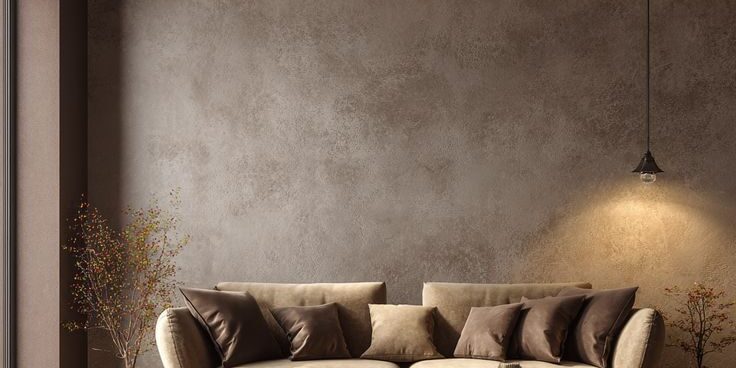
Your living room is the perfect place for an accent wall design. A metallic finish behind your television or a deep, earthy stucco texture behind the sofa creates an immediate conversation piece. It anchors the room and draws the eye.
Bedroom Accent Walls
Bedrooms require a softer touch. Consider a subtle sand texture or a smooth, cloud-like plaster finish behind the headboard. These decorative wall finishes add coziness without overwhelming the relaxed environment you need for sleep.
Office and Commercial Spaces
Commercial settings benefit from bold, structural designs. 3D textures in a reception area communicate innovation and forward-thinking. In conference rooms, a matte, textured wall paint reduces echo while providing a sophisticated backdrop for meetings.
Modern Decorative Wall Finishes Trends
Interior design constantly evolves, and modern wall texture design reflects a blend of comfort and elegance.
Minimalist Textures
Minimalism does not mean boring. Microcement and limewash create a matte, velvety appearance that perfectly complements Scandinavian or Japandi design styles. These minimalist textures add warmth to a room while keeping the overall look clean and understated.
Luxury Textured Finishes
High-end spaces embrace glossy, multi-layered finishes. Polished plaster and pearlescent glazes are trending in luxury homes. These wall paint finishes reflect natural light during the day and glow warmly under artificial lighting at night.
Contemporary Industrial Trends
The industrial style remains highly popular. Distressed concrete textures and faux-brick wall finishing techniques bring a raw, urban edge to lofts and modern apartments.
Wall Texture Design Services Explained
While paint can be rolled on by just about anyone, achieving a flawless decorative finish requires skill. Wall texture design services bridge the gap between basic painting and true craftsmanship.
When you hire professionals, the service typically includes a consultation, custom sampling, rigorous surface preparation, and the final application. You can choose from ready-made solutions like standard knockdown textures or commission a custom design tailored specifically to your brand or home decor.
The primary benefit of hiring professionals is the guarantee of longevity and precision. Experts understand how different compounds react to local humidity, and they have the muscle memory required to create uniform patterns across large surface areas.
Application Process
Creating beautiful textured walls is a multi-step process. Here is a look at how it comes together.
Step 1: Surface Preparation
Every great finish starts with a clean slate. Surface preparation involves filling cracks, sanding rough patches, and applying a high-quality primer. Without a properly primed base, textured coatings will peel or flake over time.
Step 2: Tools and Methods
Applicators use a variety of tools depending on the desired finish. Sponges, trowels, specialized rollers, and even stiff brushes help manipulate the compound. For heavy textures, a hopper gun sprays the material onto the wall before a trowel knocks it down.
Step 3: DIY vs Professional Work
You can tackle basic sand paint additives as a weekend DIY project. However, complex decorative wall painting—like Venetian plaster or metallic glazes—requires professional intervention. Mistakes in these high-end finishes are highly visible and difficult to fix.
Maintenance & Durability
Textured walls are surprisingly robust. The additional layers of plaster or compound make them highly durable against everyday wear and tear.
To maintain your textured walls, dust them regularly with a soft microfiber cloth or a vacuum brush attachment. If your wall has a rough texture, avoid using wet, soapy sponges, as moisture can get trapped in the crevices. For high-traffic areas, applying a clear, protective topcoat over the textured wall paint makes the surface easily washable.
How to Choose the Right Texture Design
Selecting the ideal texture requires more than just picking a favorite picture online. Keep these practical factors in mind:
- Room Size: Heavy, dark 3D textures can make a small room feel cramped. For compact spaces, choose light-reflecting metallic finishes or subtle sand textures.
- Lighting Conditions: Natural and artificial light drastically change how a texture looks. Check a sample of your chosen texture against the wall at different times of the day before committing.
- Interior Theme: Match the texture to your furniture and architecture. Stucco suits rustic or Mediterranean homes, while smooth, polished plaster aligns with modern luxury.
Conclusion
Upgrading your interiors with wall texture design breathes new life into your home or commercial space. Whether you prefer the subtle warmth of limewash or the striking impact of a 3D accent wall, moving beyond flat paint opens up a world of creative possibilities. Consider partnering with professional wall texture design services to ensure your vision is executed flawlessly. Start exploring wall texture ideas today and transform your walls into works of art.
FAQs
What is wall texture design?
Wall texture design is the process of applying special compounds, plasters, or textured paints to a wall to create physical and visual depth, moving away from standard flat paint finishes.
Which texture design is best for walls?
The best design depends on your interior style. Limewash and Venetian plaster are excellent for luxury and minimalist spaces, while stucco and sand textures work beautifully for traditional or rustic environments.
Is textured wall paint durable?
Yes, textured wall paint and compound finishes are highly durable. They add a protective layer to the drywall, making it more resistant to minor scuffs and impacts compared to flat paint.
How much do wall texture design services cost?
Costs vary widely based on the complexity of the design and the materials used. Basic texture applications might cost a few dollars per square foot, while high-end custom finishes like polished plaster will require a larger investment.
Can texture be applied to old walls?
Absolutely. In fact, applying texture is an excellent way to hide imperfections, dents, and uneven surfaces common in older walls, provided proper surface preparation is completed first.