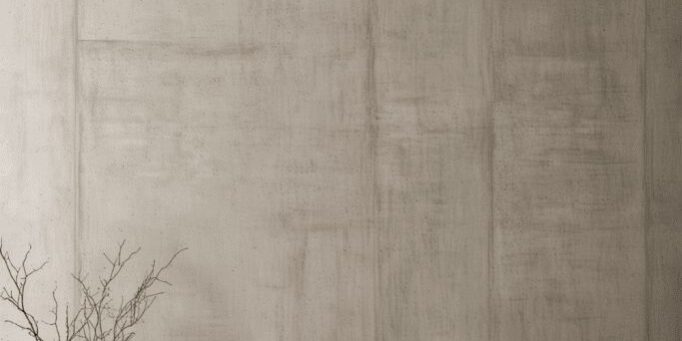
Flat, single-color walls can leave a room feeling incomplete. If you want to add depth, character, and a tactile element to your home, wall texture paint offers a stunning solution.
Texture paint moves beyond standard flat finishes by incorporating materials like sand, gypsum, or silica. This creates a raised, 3D effect on your walls. It is trending heavily in modern home design because it allows homeowners to mimic high-end materials—like stone, wood, or raw concrete—without the structural cost.
In this comprehensive guide, we will explore the different types of texture paints, highlight the undeniable luxury of marble finishes, and provide expert advice on how to apply and maintain these stunning surfaces.
What is Wall Texture Paint?
Wall texture paint is a specialized coating designed to give walls a physical texture alongside color. While standard paint reflects light evenly, texture paint scatters light, creating subtle shadows and highlights that change throughout the day.
This material plays a massive role in enhancing interior aesthetics. It transforms blank walls into focal points. Beyond looks, texture paint holds functional value. Because it goes on thicker than standard latex paint, it easily hides uneven surfaces, drywall seams, and minor architectural flaws that normal paint would expose.
The Luxury of Marble Texture Paint
Marble texture paint stands out as one of the most sought-after finishes in luxury interior design. Often created using a technique called Venetian plaster—a mixture of fired limestone and water—this finish mimics the natural, opulent look of real marble stone.
Why It Works
Marble texture paint delivers the high-end appeal of natural stone at a fraction of the cost and weight. You get the glossy, smooth-to-the-touch finish and the sweeping, organic veins associated with real marble.
Best Placements
This finish works best in spaces where you want to make a bold statement. Interior designers frequently recommend marble finishes for:
- Living room accent walls
- Fireplace surrounds
- High-end dining rooms
- Master bathroom feature walls
Popular Types of Texture Paint
Choosing the right type of texture paint depends on your design goals. Here are the most common options available:
- Smooth Texture: Uses heavy paint without coarse grit to create subtle, flowing patterns. It feels relatively smooth to the touch but visually adds movement.
- Rough Texture: Contains added sand or quartz. It provides an excellent grip and a rustic, earthy feel, making it perfect for exterior walls.
- 3D Texture: Uses thick compounds sculpted with trowels or stencils to create distinct geometric patterns, floral designs, or artistic murals directly on the wall.
- Stucco: A highly durable, classic finish often used on exteriors or Mediterranean-style interiors. It handles weather fluctuations incredibly well.
- Metallic Finish: Blends metallic pigments with texture compounds to catch and reflect light, bringing a modern, industrial, or glamorous edge to the room.
- Marble Finish: As detailed above, this provides a polished, stone-like appearance for high-end luxury.
Why Choose Texture Paint? (The Core Benefits)
Investing in textured walls brings several distinct advantages to your home:
- Exceptional Durability: The thick compounds resist scratches, fading, and peeling much better than standard flat paint.
- Aesthetic Value: It elevates a standard room into a custom-designed space, potentially increasing property value.
- Wall Protection: Many exterior and interior texture paints contain waterproofing properties, protecting underlying drywall or brick from moisture damage.
- Low Maintenance: Textured walls hide scuffs, dust, and fingerprints effortlessly. A quick wipe down is usually all they need.
Texture Paint vs. Normal Paint vs. Wallpaper
How does texture paint stack up against other popular wall treatments?
- Texture Paint: Offers high durability, covers wall flaws perfectly, and lasts 10-15 years. It requires specific application skills but provides a unique, custom look.
- Normal Paint: Highly affordable and easy to apply or change. However, it highlights wall imperfections and usually needs repainting every 3-5 years.
- Wallpaper: Offers vast pattern choices and a smooth finish. Unfortunately, it peels in humid environments (like bathrooms) and can be incredibly tedious to remove.
How to Apply Wall Texture Paint: A Step-by-Step Guide
Proper application is vital for achieving a professional finish. Here is how contractors tackle the process:
1. Surface Preparation
Start by cleaning the wall thoroughly. Scrape away any loose, flaking paint. While texture paint hides minor flaws, you should fill deep cracks or holes with putty and sand them flush. Tape off baseboards, ceilings, and light switches.
2. Priming
Never skip the primer. Apply a high-quality primer base to ensure the heavy texture compound adheres properly to the drywall. Allow this to dry completely.
3. Texture Application
Using a trowel, roller, or spray gun (depending on the chosen style), apply the texture compound. For designs like stucco or 3D patterns, you will use specialized tools to carve and shape the wet compound before it sets.
4. Finishing and Sealing
Once the texture dries (which can take 12 to 24 hours), apply your final topcoat of color if the compound wasn’t pre-tinted. Finally, apply a clear protective sealant, especially for high-traffic areas or marble finishes, to lock in the look and add washability.
Expert Tips: Choosing Texture by Room Type
Different rooms serve different purposes. Match your texture choice to the room’s function:
- Living Room: Opt for a metallic or marble finish on a single accent wall to anchor the room’s decor.
- Bedroom: Keep things relaxing. Smooth textures or soft suede finishes in warm tones create a calming environment.
- Home Office: Use a subtle 3D texture. It adds a professional, creative backdrop for video calls without becoming a distraction.
- Exterior Walls: Stick to heavy-duty options. Rough sand textures or traditional stucco hold up best against wind, rain, and UV rays.
Cost, Longevity, and Maintenance
Texture paint generally costs more upfront than standard paint due to the specialized materials and labor required. However, its longevity makes it a smart investment. A well-applied texture finish can easily last 10 to 15 years with minimal fading.
Maintenance Tips:
- Dust walls monthly using a soft microfiber cloth or vacuum brush attachment.
- For deeper cleaning, use a damp sponge with mild dish soap. Avoid harsh chemical cleaners, as they can break down the protective sealant.
- Keep leftover tinted compound in an airtight container for future touch-ups.
Real-World Scenarios and Expert Guidelines
To build a space you truly love, it helps to look at real-world applications. Consider a recent interior design project in a mid-century modern home. The homeowners had an uneven, outdated brick fireplace. Instead of tearing it down, contractors applied a smooth, Venetian plaster marble finish directly over a leveled base. The result was a stunning, modern focal point that saved thousands in demolition costs.
Expert Do’s and Don’ts
Do:
- Always test your chosen texture on a scrap piece of drywall or a small hidden corner before committing to the whole wall.
- Hire a professional contractor for complex finishes like marble or intricate 3D designs.
- Seal your textured walls in moisture-heavy rooms like bathrooms or kitchens.
Don’t:
- Don’t apply heavy texture to every single wall in a small room; it will make the space feel cramped and overwhelming.
- Don’t rush the drying process between the primer and the texture coat.
- Don’t ignore lighting. Test how natural and artificial light interact with your chosen texture.
Frequently Asked Questions (FAQs)
What is texture paint used for?
It is used to add visual depth, tactile feel, and character to walls. It is also highly effective at hiding minor surface imperfections, cracks, and uneven drywall.
Is wall texture paint durable?
Yes. Because it is much thicker than standard paint and often fortified with tough materials like silica or acrylic polymers, it resists scuffs, scratches, and fading far better than flat paint.
What is marble texture paint and is it expensive?
Marble texture paint is a decorative finish (often utilizing Venetian plaster) that mimics the look of natural marble stone. While it costs more than standard paint due to the labor-intensive application, it is significantly cheaper than installing actual marble slabs.
How long does texture paint last?
When properly applied and sealed, interior wall texture paint can last 10 to 15 years or more. Exterior texture paints generally last 7 to 10 years depending on weather conditions.
Can texture paint be applied on old walls?
Absolutely. In fact, it is ideal for old walls because the thick consistency easily covers bumps, old patching jobs, and minor damage that normal paint would highlight. Just ensure the wall is clean and primed first.
Conclusion
Wall texture paint bridges the gap between basic color and high-end architectural design. Whether you want the rustic charm of stucco on your home’s exterior, the soft elegance of a smooth finish in your bedroom, or the undeniable luxury of a marble feature wall in your living room, texture paint offers a durable, beautiful solution.
Take a look around your home. Identify that one blank, uninspiring wall. By applying a textured finish, you can completely redefine the character of your space, protect your walls, and enjoy a custom look that lasts for over a decade.